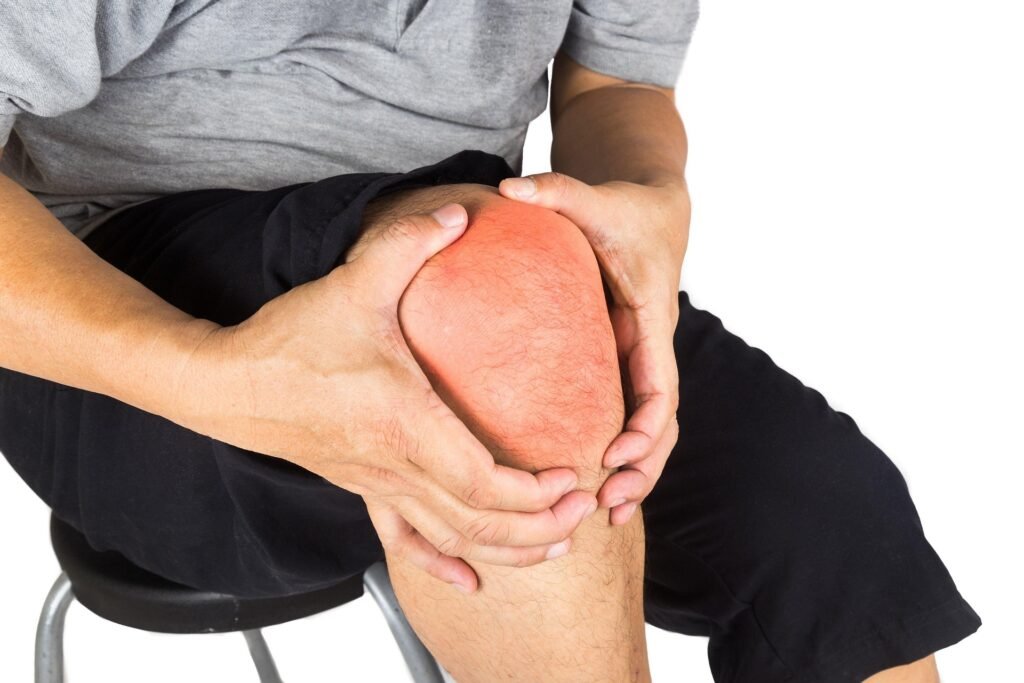
Knee pain is one of the most common joint problems affecting people of all ages. It can range from mild discomfort to severe pain that limits daily activities like walking, climbing stairs, or standing for long periods. Knee pain is especially common in adults over 35, overweight individuals, athletes, and elderly people. Understanding the causes, symptoms, treatment options, and prevention methods can help manage knee pain effectively and improve overall quality of life.
Understanding the Knee Joint
The knee is one of the largest and most important joints in the human body. It connects the thigh bone (femur) to the shin bone (tibia). The knee joint also includes cartilage, ligaments, tendons, and muscles that work together to allow smooth movement. Because the knee supports most of the body’s weight, it is more vulnerable to injuries and wear over time.
Cartilage acts as a cushion between bones and helps reduce friction during movement. Ligaments stabilize the knee, while tendons connect muscles to bones. When any of these parts are damaged or inflamed, knee pain can occur.
Common Causes of Knee Pain
Knee pain can occur due to several reasons. Some causes develop suddenly after an injury, while others develop slowly over time.
1. Osteoarthritis
Osteoarthritis is the most common cause of knee pain, especially in older adults. It occurs when the cartilage that protects the knee joint gradually wears down. As a result, the bones rub against each other, causing pain, stiffness, and swelling.
2. Knee Injury
Injuries such as ligament tears, fractures, or meniscus damage can lead to knee pain. These injuries often happen during sports, accidents, or sudden twisting movements.
3. Overuse
Repeating the same movement over time can strain the knee joint. Activities like running, jumping, or heavy lifting may lead to inflammation and pain.
4. Tendinitis
Tendinitis is the inflammation of tendons around the knee joint. It often occurs in athletes or people who perform repetitive activities such as cycling or climbing stairs.
5. Bursitis
Bursitis occurs when the small fluid-filled sacs that cushion the knee joint become inflamed. This condition causes swelling and tenderness around the knee.
6. Gout or Inflammatory Conditions
Certain medical conditions like gout or rheumatoid arthritis can cause inflammation in the knee joint, leading to severe pain and swelling.
Symptoms of Knee Pain
The symptoms of knee pain can vary depending on the cause and severity of the condition. Some common symptoms include:
- Swelling around the knee
- Stiffness, especially after resting
- Pain while walking, bending, or standing
- Difficulty straightening or bending the knee
- Popping or clicking sounds in the joint
- Weakness or instability in the knee
- Warmth or redness around the knee area
If knee pain is severe, sudden, or accompanied by inability to bear weight, it is important to seek medical attention immediately.
Treatment Options for Knee Pain
Treatment for knee pain depends on the underlying cause. In many cases, simple home treatments can help relieve pain and improve mobility.
Rest and Activity Modification
Reducing activities that cause pain can allow the knee to heal. Avoiding heavy exercise or excessive walking for a few days may help reduce inflammation.
Ice Therapy
Applying an ice pack to the knee for 15–20 minutes several times a day can reduce swelling and pain.
Pain Relief Medication
Over-the-counter medications such as anti-inflammatory drugs may help reduce pain and swelling. However, they should be used according to medical advice.
Physical Therapy
Exercise programs designed by a physiotherapist can strengthen the muscles around the knee and improve joint stability.
Knee Support
Using knee braces or support bands may help stabilize the joint and reduce strain during movement.
Medical Treatment
In severe cases, doctors may recommend injections, advanced therapies, or surgery if other treatments do not provide relief.
Prevention Tips for Knee Pain
Preventing knee pain is possible by adopting healthy habits and protecting the knee joint from excessive stress.
- Maintain a healthy body weight to reduce pressure on the knees
- Perform regular exercise to strengthen leg muscles
- Stretch before physical activity
- Use proper techniques during sports and exercise
- Wear supportive footwear
- Avoid sudden increases in physical activity
- Take breaks during repetitive activities
Taking care of your knees can help prevent long-term joint problems and maintain mobility as you age.
When to See a Doctor
While mild knee pain can often be treated at home, medical attention may be necessary if:
- The pain lasts longer than a few weeks
- The knee becomes very swollen or red
- You cannot bear weight on the knee
- The knee appears deformed
- Pain follows a serious injury
A healthcare professional can perform physical examinations and imaging tests to identify the exact cause and recommend appropriate treatment.
Conclusion
Knee pain is a common condition that can affect daily life and mobility. It may result from injuries, arthritis, overuse, or medical conditions. Fortunately, many cases can be managed with proper rest, exercise, and lifestyle changes. Understanding the causes and symptoms of knee pain helps individuals take early action and prevent further damage. Maintaining a healthy lifestyle and protecting the knee joint are key steps toward long-term joint health.
Frequently Asked Questions (FAQ)
What is the most common cause of knee pain?
The most common cause of knee pain is osteoarthritis, which occurs when the protective cartilage in the knee gradually wears down over time.
Can knee pain go away without surgery?
Yes, many cases of knee pain improve without surgery through rest, physical therapy, weight management, and proper exercise.
Is walking good for knee pain?
Light walking can help strengthen muscles around the knee and improve joint flexibility. However, people with severe pain should consult a doctor before starting exercise.
How long does knee pain usually last?
Mild knee pain caused by strain or overuse may improve within a few days or weeks, while chronic conditions may require longer treatment.
What exercises help reduce knee pain?
Low-impact exercises such as swimming, cycling, stretching, and strengthening exercises can help support the knee joint and reduce pain.